The back story
Green trams to the airport line: how Sofia learned to ride, the back story
From the green trams of 1901 to the metro at Terminal 2: the story of Sofia’s public transport.

Photo Credit
Image courtesy of © Ale.ch.geor · CC BY 4.0 via Wikimedia CommonsOn 14 January 1901 Sofia’s first electric tram ran from the railway station to Slaveykov Square in forty minutes, then thought impressive, and the city joined the first ten European capitals with electrified public transport. Nearly a century later it went underground: the metro opened in 1998 and reached the airport in 2015. Here is the story, and how to ride it today for €0.80.
Velvet seats and wooden benches
The Bulgarian National Bank, which marked the anniversary with a silver collector coin in 2026, tells the story best. On 14 January 1901 (1 January in the Old Style calendar) the first electric tram ran at a solemn ceremony from the central railway station over the Lions’ Bridge to Slaveykov Square. The trip took forty minutes, which at the time counted as impressive.
The first trams were green: 24 railcars and trailers from Belgium on six routes, with 23 kilometres of single track and passing loops at key points. Cabins had two classes, velvet seats in first and wooden benches in second. There were no fixed stops, the tram halted at a passenger’s signal, and a ticket cost about 15 stotinki in first class and 10 in second.
Not everyone was charmed. The bank notes that the tram stirred fear as well as curiosity, and a month after the first run Ivan Vazov described his ride in a short story, In the Electric Tram. A new machine, a nervous public and a national writer taking notes: modern Sofia began much as modern cities do.
The power station at Pancharevo
The trams needed electricity, and it came from the hills to the south-east. The Pancharevo hydroelectric plant at Kokalyane began work on 1 November 1900, the start of public electricity supply in Bulgaria. The National Polytechnic Museum, which has used its buildings since 1975, says it powered lighting, the electric tram and Sofia’s industry, placing the city among the first electrified capitals of Europe.
Underground, at last
The metro arrived late and in instalments. Its first section, five stations and 6.5 kilometres through the Lyulin district, opened on 28 January 1998; Serdika, under Sveta Nedelya Square, followed on 31 October 2000. The eastern branch to Mladost opened in 2009, and Line 2 began carrying passengers in 2012, when the network reached 31 kilometres.
Then came the connections visitors use most. On 2 April 2015 Line 1 reached Sofia Airport, four stations over 5 kilometres, and in 2016 Line 2 was extended to Vitosha station. Line 3, built between 2016 and 2020 with 20 Siemens trains, opened its newest section, from Hadzhi Dimitar to Levski G, on 14 August 2026.
A new machine, a nervous public and a national writer taking notes: modern Sofia began much as modern cities do.
The stations were designed to be remembered. Metropolitan, the city-owned company that builds and runs the metro, says each was designed as an individual project, and that station design, although only about 2.5–3% of the cost, shapes how a metro feels. Much of Line 2’s central tunnel was dug by a Herrenknecht boring machine developed for Sofia’s geology: made to measure, like a good suit.
Tap, ride, transfer
Riding is now simple and priced in euros. A Ticket 30 plus costs €0.80 and allows transfers for 30 minutes from the first validation, but it must be validated in every vehicle; you can pay with a bank card at the validator on board or at the metro barriers. A 24-hour card costs €3 and a 72-hour card €7.60, both including night transport.

Photo Credit
Image courtesy of © Ale.ch.geor · CC BY 4.0 via Wikimedia CommonsFrom the airport, line M4 leaves from the eastern end of Terminal 2 and reaches the city centre in about 20 minutes for €0.80, paid by contactless card, phone or watch. If you land at Terminal 1, a free shuttle runs to Terminal 2 around the clock; bus 84 serves both terminals, and the N4 night bus runs hourly from midnight to 4am.
For the railway, change at Serdika to line M2 for the Central Railway Station, which stands beside the Central Bus Station. The 1901 tram took forty minutes to cross the young capital; the metro now takes about half that to bring you in from the runway.
Our advice: tap in with a contactless card and validate every time you change. And for the old city, walk round the City Garden, which the first tram network surrounded on all four sides.
Why it's on our list
- Velvet seats and wooden benches
- The power station at Pancharevo
- Underground, at last
- Tap, ride, transfer
Location
The map comes from Google Maps, which sets its own cookies once it loads.
More in depth
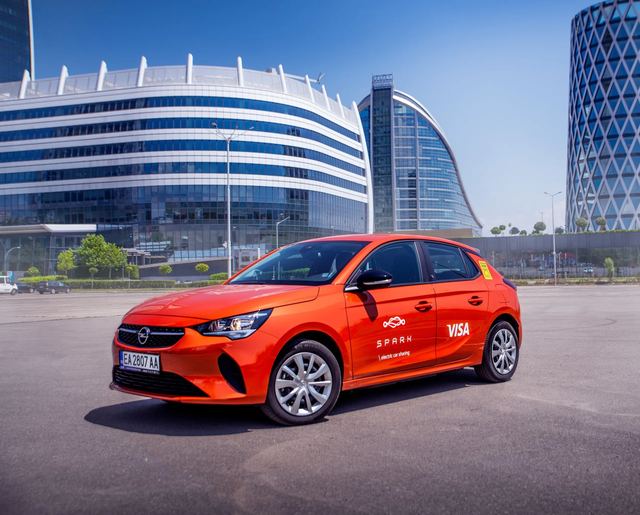 The back storyYellow cabs, silent sharers and the road to Aleko: Sofia by car, the back storyCity-set taxi fares, 1,000 shared electric cars and the old road up Vitosha: how Sofia drives.
 Coming soonComing soon: the tech the makers have promisedOfficially announced tech, from Gemini glasses to Meta's VR specs, plus the newest arrivals.
 CompareAirPods Pro 3 vs the rest: noise-cancelling earbuds comparedAirPods Pro 3 against AirPods 5, Sony WF-1000XM6 and Bose QuietComfort Ultra Earbuds.